Deploying AI models to production requires robust infrastructure, automated testing, and reliable deployment pipelines. This comprehensive guide walks through setting up a complete CI/CD pipeline for AI applications on Google Cloud Platform (GCP).
Why GCP for AI Deployment?
Google Cloud Platform offers a comprehensive suite of AI and ML services, including Vertex AI, Cloud Run, and Kubernetes Engine. These services provide scalable infrastructure with built-in monitoring and security features essential for production AI systems.
Architecture Overview
Our deployment architecture consists of:
- Cloud Build - For automated CI/CD pipelines
- Container Registry - For storing Docker images
- Cloud Run - For serverless model serving
- Vertex AI - For model management and monitoring
- Cloud Monitoring - For observability and alerting
Setting Up the CI/CD Pipeline
The pipeline includes several key stages:
1. Code Quality and Testing
Every commit triggers automated tests including unit tests, integration tests, and model validation. We use pytest for Python testing and custom scripts for model performance validation.
2. Containerization
Models are packaged into Docker containers with all dependencies. This ensures consistency across development, staging, and production environments.
3. Automated Deployment
Successful builds automatically deploy to staging environments for further testing. Production deployments can be triggered manually or automatically based on approval workflows.
Model Versioning and Rollback
Vertex AI Model Registry provides comprehensive model versioning capabilities. Each model version is tagged with metadata including performance metrics, training data versions, and deployment configurations.
Monitoring and Observability
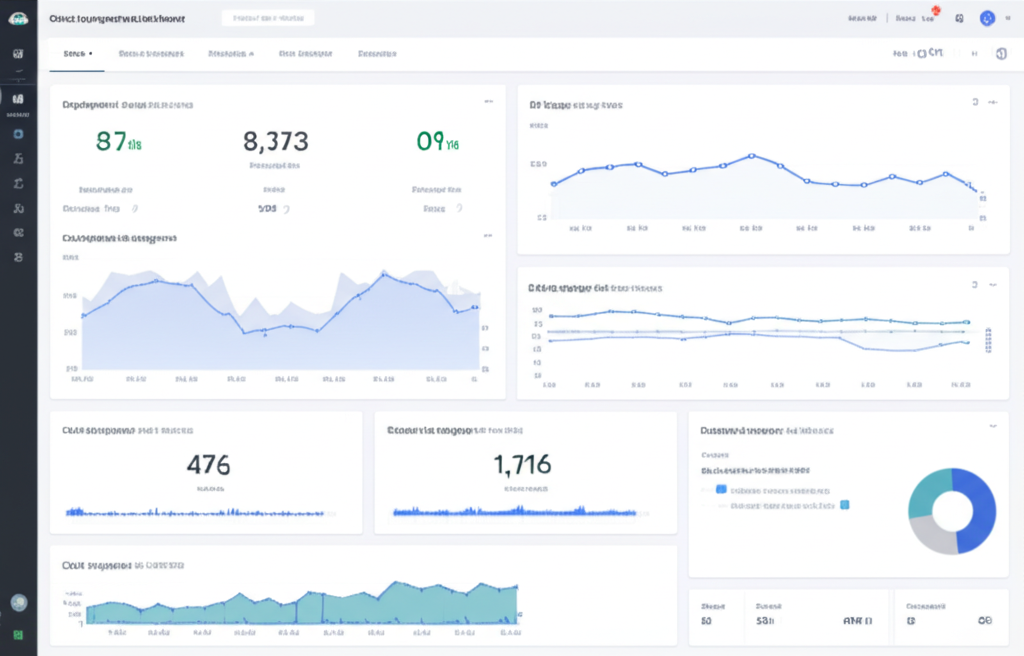
Production AI systems require continuous monitoring of both infrastructure and model performance. We implement:
- Real-time latency and throughput monitoring
- Model drift detection using statistical tests
- Custom business metrics tracking
- Automated alerting for anomalies
Security Best Practices
Security is paramount when deploying AI models. Key practices include:
- Using IAM roles with least privilege access
- Encrypting data in transit and at rest
- Implementing API authentication and rate limiting
- Regular security audits and vulnerability scanning
Cost Optimization
Cloud costs can escalate quickly with AI workloads. Optimization strategies include:
- Using preemptible instances for training
- Implementing auto-scaling for serving infrastructure
- Optimizing model size and inference speed
- Regular cost analysis and resource cleanup
Conclusion
A well-designed CI/CD pipeline is essential for reliable AI deployment. By leveraging GCP's managed services and following DevOps best practices, teams can build robust, scalable AI systems that deliver consistent value to users.